“Stories and lessons from an unexpected journey in finance.”
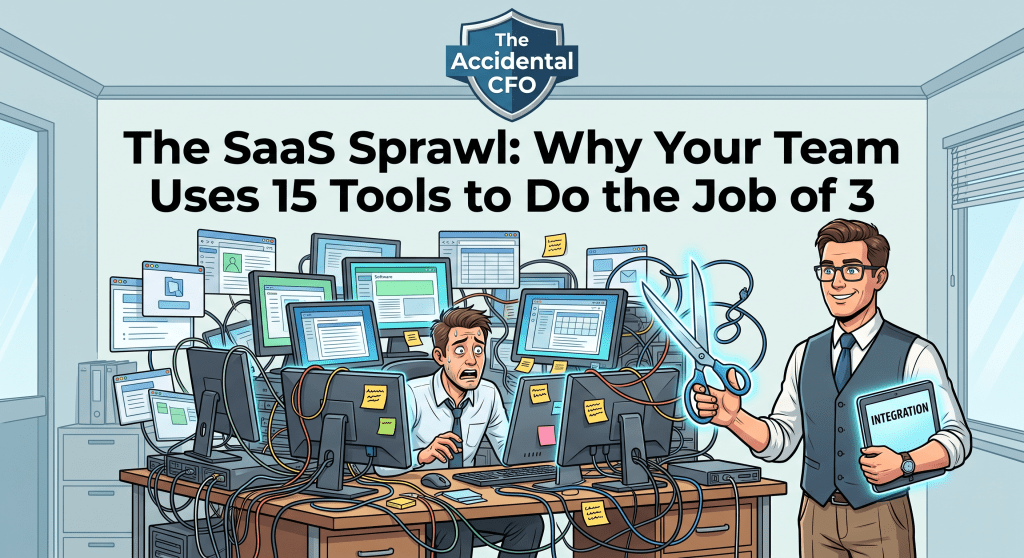
We bought software to save time. Now, we spend all our time managing the software.
Over the last few years, finance departments have been on a digital shopping spree. We bought specialized tools for expenses, revenue recognition, scenario planning, and the month-end close. We thought we were building a modernized finance function. Instead, we accidentally built a fractured, tangled web of isolated data silos.
Welcome to the era of the SaaS sprawl. As companies adopt overlapping point solutions, the promise of automation dissolves into app-switching fatigue. Your top-tier analysts are no longer just financial professionals; they have slowly morphed into part-time IT administrators. They spend valuable hours exporting CSV files from one system just to reformat and upload them into another.
The technology stack that was supposed to make us faster has actually introduced massive operational friction. We are paying exorbitant subscription fees to maintain redundant capabilities. Worse, because none of these distinct systems naturally communicate, the elusive “single source of truth” is lost in translation. When the CEO asks for a simple variance report, your team has to cross-reference three dashboards just to answer the question.
As we prepare for the year-end planning cycle, finance leaders need to ruthlessly audit their technology footprint. The objective is no longer to possess the most specialized tools; the objective is to cultivate the most seamlessly integrated ecosystem possible.
Here is how to start untangling the sprawl today:
- Conduct a Full Stack Audit: Map out every single application your team uses during a standard reporting cycle. You will be surprised by what you find.
- Identify Functional Overlap: Does your core ERP system already possess a native module that executes 80% of what your expensive standalone forecasting tool does? If so, consolidate immediately.
- Prioritize Seamless Integration: Choose platforms that naturally share data over those offering flashy, niche features that only one person utilizes.
A leaner, intentional technology stack means fewer integration headaches, lower software costs, and a team that spends less time wrestling with redundant logins and more time driving strategic business value.
Honestly, how many different software tools does your team log into during a standard month-end close, and is it finally time to run a serious consolidation audit?
#TheAccidentalCFO #INERSEC #TechDebt #SaaS #CFOPlaybook


Leave a Reply