
“Stories and lessons from an unexpected journey in finance.”
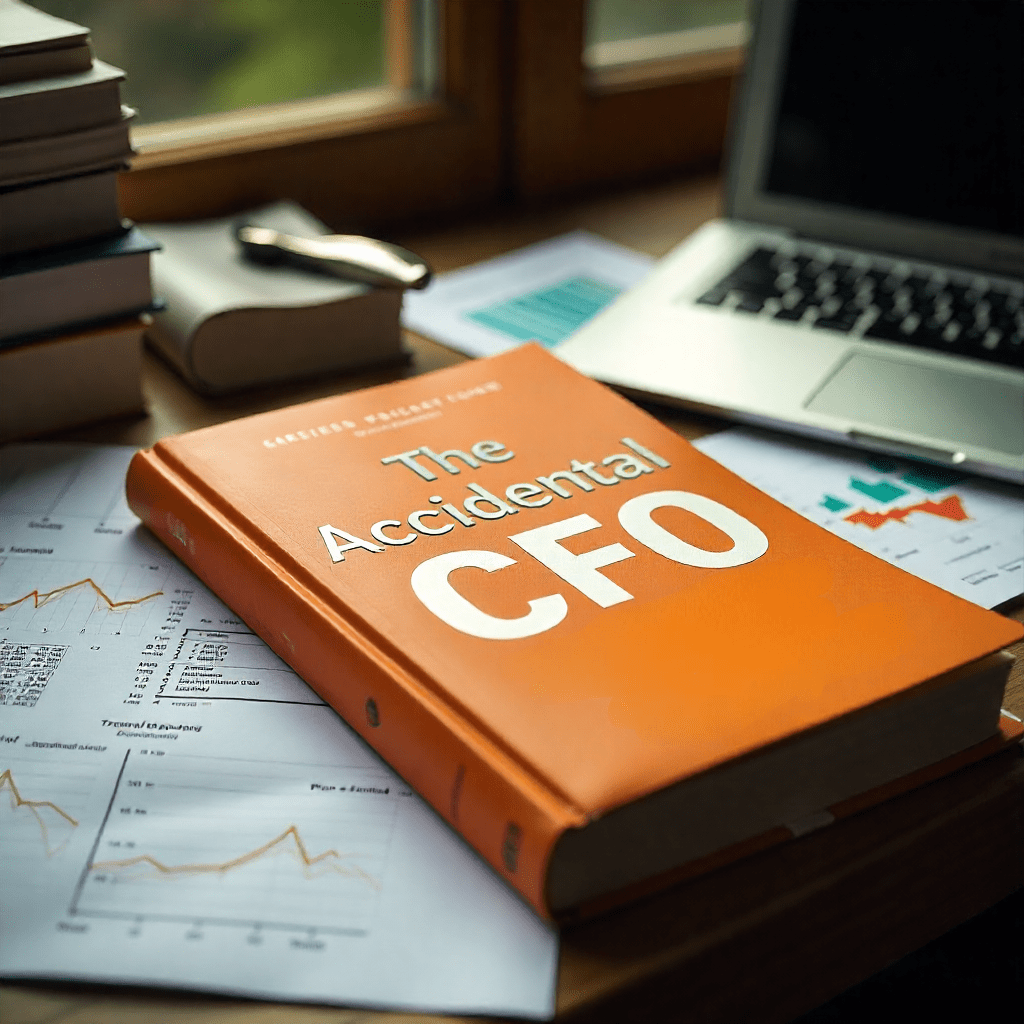
When I first stepped into the CFO seat, I quickly realized something: too many people expected me to be the “no.” No to new ideas. No to bold moves. No to anything that carried risk. The CFO was supposed to guard the numbers, protect the balance sheet, and keep the business “safe.”
That model might have worked in a slower, more predictable era. But today’s markets move too fast, and the stakes are too high. A CFO who acts only as a gatekeeper ends up holding the business back. The companies that thrive are the ones where the CFO builds rather than blocks — where finance is a catalyst, not a constraint.
The Shift from Blocker to Builder
The stereotype of the CFO as a back-office administrator still lingers. Too often we’re seen as spreadsheet watchdogs, risk-averse analysts, or the final stop before an idea is killed. But the reality is that the modern CFO has to be something very different.
A true CFO is a storyteller — someone who can frame the big picture for investors, employees, and the board. They are a deal maker, helping unlock opportunities instead of shutting them down. They don’t just cut costs; they create value. They aren’t the final “no,” but the partner who makes a bold “yes” possible by showing how it can be done responsibly.
This shift requires moving beyond the numbers. It means embracing strategic risk-taking, guiding the business with data-driven insights, and bridging the gap between vision and execution. It means being in the trenches with the CEO — not as the referee, but as the co-architect of growth.
The Multiplier Effect
The CEO–CFO relationship is one of the most powerful multipliers in business. When it works, the CEO drives vision while the CFO ensures the company has the clarity, discipline, and resources to get there. Together, they make better decisions, faster. They balance ambition with discipline. They give bold ideas a path to reality.
When that relationship doesn’t work, companies stall. Big ideas never get off the ground, investors lose confidence, and opportunities slip away.
Beyond the Numbers
The modern CFO’s role is not to avoid risk but to shape it. It’s not to say “no” but to ask “how.” How do we fund this idea responsibly? How do we structure this deal to maximize value? How do we translate strategy into execution without losing speed?
That’s the difference between a company that simply runs and one that truly wins.
Because at the end of the day, CFOs don’t just report on the business. The best ones help build it.
👉 What do you think — is the CFO’s job still about saying “no,” or is it about shaping the “how”? How have you seen the CEO–CFO partnership help (or hurt) growth?
#TheAccidentalCFO #inersec #GrowthStrategy #Transformation

 inersec
Leave a comment