“Stories and lessons from an unexpected journey in finance.”
Last month in this series, I wrote about EBITDA and used the lemonade stand analogy to explain why it’s a helpful measure of operating performance. (Quick refresher: EBITDA is like asking, “How good am I at selling lemonade, before worrying about taxes, loans, or the juicer wearing out?”)
But here’s the catch: you can post great EBITDA and still go out of business. Why? Because cash is what actually pays the bills. That’s where cash flow comes in.
So, what is cash flow?
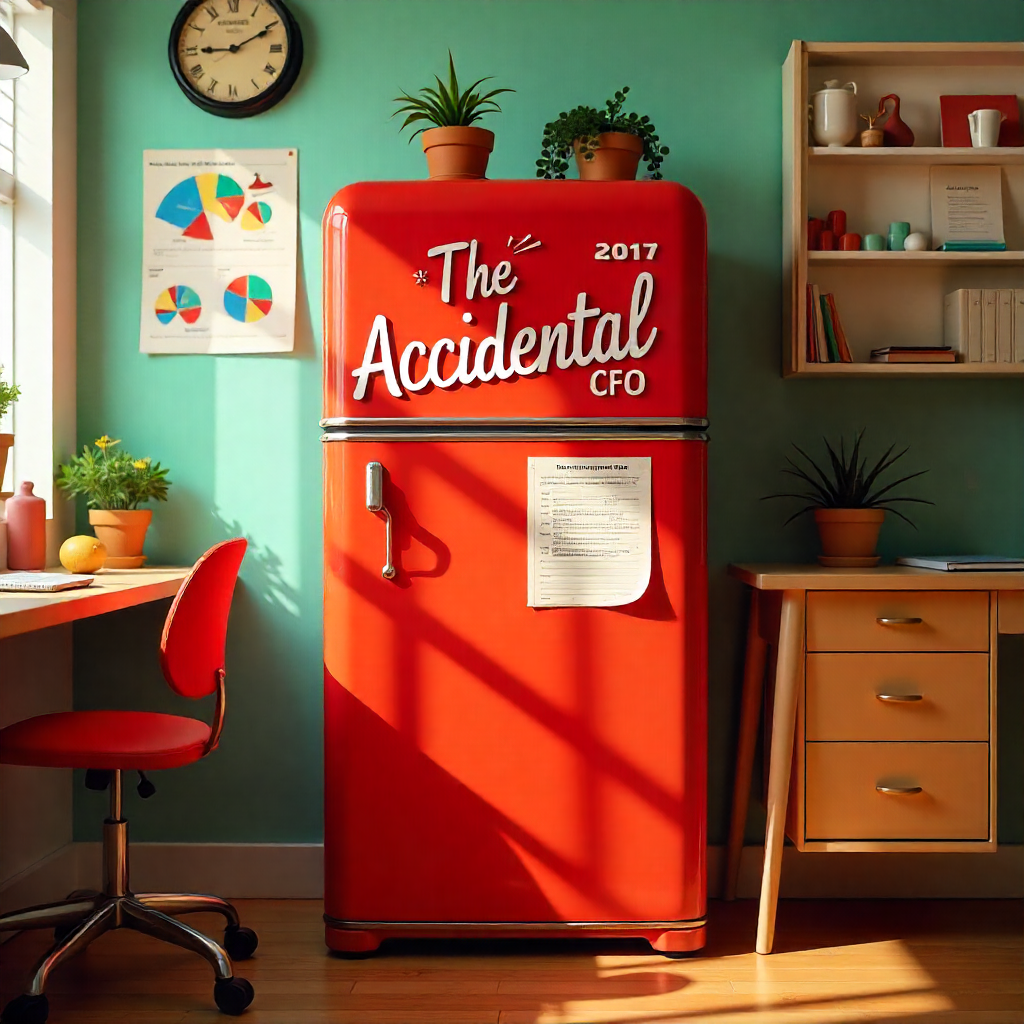
At its core, cash flow is the movement of money in and out of your business. Think of it as your fridge at home:
- You can brag about cooking skills (profitability),
- But if the fridge is empty (no cash), dinner’s not happening.
The three types of cash flow
- Operating Cash Flow – This is the weekly grocery run. It’s what comes from your day-to-day business — collecting from customers, paying suppliers, covering payroll. If this number is consistently strong, your fridge stays stocked.
- Investing Cash Flow – Buying the new fridge, or splurging on a fancy blender. These are long-term investments: new equipment, technology upgrades, or even acquiring another business. It costs cash now, but ideally pays off later.
- Financing Cash Flow – This is when you call your parents (or the bank) to send over a casserole. Loans, equity investments, or dividends all fall here. Helpful, sometimes necessary, but not sustainable forever.
Why it matters
Here’s the kicker: A company can report positive EBITDA while still running out of money. I’ve seen businesses celebrate profitability on paper, only to scramble to make payroll because customers were slow to pay or expenses hit at the wrong time.
Cash flow is reality. It tells you whether the lights stay on, employees get paid, and vendors stick with you.
A Simple Analogy — Back to the Lemonade Stand
Let’s revisit our lemonade stand from the EBITDA post. You sold $100 of lemonade, had $40 in expenses, and showed $60 of EBITDA. Great!
But here’s the cash flow story:
- If customers paid you in IOUs instead of cash, your fridge is still empty.
- If you bought extra lemons but haven’t sold them yet, your money is tied up on the counter.
- If you borrowed from your neighbor, your fridge looks full — but only until the loan is due.
See the difference? Profit tells you how well you performed. Cash flow tells you whether you can survive.
Conclusion
If EBITDA is the speedometer, cash flow is the gas in the tank — or maybe, the food in the fridge. Without it, you’re not going far.
Question/Call to Action:
💡 What’s the biggest cash flow challenge you’ve faced in your business — slow-paying customers, unexpected expenses, or managing investments? Share your story in the comments!
#TheAccidentalCFO #CashFlow #FinanceMadeFun #CFOLife #inersec

 inersec
Leave a comment